What to Do Before Moving Into a Rental Home

Moving into a brand-new home is exciting—and a little nerve-wracking too. There’s the thrill of a fresh space, a new neighborhood, and the start of routines that make a house truly feel like home.
If you’re a student moving into your first place near campus, you might be unpacking some things that remind you of home along with some things you need. If you’re a couple starting a new life together, you might have to decide where the couch should go or how to make the kitchen work for quick meals on weekdays and relaxed cooking on weekends. If you’ve decided to downsize, you might be looking for a place that feels less complicated but is still warm and inviting.
A new construction rental home can still feel like your home, especially when the space is thoughtfully designed for modern living. Many renters today are choosing new construction homes that offer updated layouts, newer appliances, and energy-efficient features that make everyday living more comfortable.
This guide will show you some helpful things to do before you move into a rental home so that the move goes smoothly, is well-planned, and is not stressful.
Take the time to read your lease carefully.
One of the best things you can do before you move in is to sit down and read your lease agreement all the way through. It might seem like a lot of information at first, but the lease is basically a map for your rental experience. It spells out what you and your landlord agree to do during the time you are renting. You can usually find information about:
- Monthly rent and due dates
- Terms for the security deposit
- Rules for guests and pets
- Rules for making changes to or decorating the property
- How to ask for maintenance
- Length of the lease and options for renewal
Reading the lease also makes it easier to understand what the landlord and tenant are responsible for. Most rental agreements say that the landlord is responsible for big repairs and structural problems, while the tenant is responsible for regular maintenance. It’s much easier later if you know what those expectations are ahead of time. If you don’t understand something in the lease, don’t be afraid to ask. Property managers and landlords usually like it when tenants want to read the whole agreement before moving in. If you talk clearly at the beginning, the whole rental process will probably go more smoothly.
Before you unpack, do a walkthrough.
Take your time walking through the property carefully before moving furniture or unpacking boxes. If you’re moving into a new construction rental, you might feel a sense of relief because everything is brand new and unused. Most of the time, newer homes do have fewer visible issues. A move-in inspection lets you record how the home looks right now. This step protects both landlords and tenants by making a clear record of how the property looked when the lease started. When you walk through the space, pay attention to things like the following:
- Ceilings, floors, and walls
- Locks for doors and windows
- Kitchen appliances
- Bathroom fixtures
- Countertops and cabinets
- Outlets and switches for lights
It’s a good idea to write down any marks on the walls, small scratches on the floor, or anything else that looks worn or broken. A lot of renters use their phones to take pictures or short videos so they have a record with a date and time. This type of paperwork makes it clear who is in charge of taking care of rental properties and makes moving out easier.
Know What Your Landlord Has to Do
A good rental relationship usually starts with both people knowing what their jobs are. In many cases, landlord responsibilities include keeping the property safe and in good condition. Some examples of this are:
- Fixing the roof or the building
- Systems for plumbing and electricity
- Tools for heating or cooling
- Dealing with safety issues
- Cleaning up shared areas in apartment buildings
These responsibilities are often there to make sure that modern, well-planned rental homes are safe and livable. Sometimes, local housing laws also set minimum standards for these conditions.
Know what you have to do as a tenant.
Tenant responsibilities also play an important role in keeping a rental property in good shape. In most cases, tenants are responsible for taking care of the home every day, but the details depend on the lease. Here are some examples:
- Paying your rent on time
- Keeping the area clean and organized
- How to use appliances and fixtures the right way
- Letting someone know about maintenance problems as soon as they happen
- Following the rules of the building or neighborhood
If you understand your tenant rights and responsibilities, you can keep a good relationship with your landlord and help keep the property in good shape over time. Most successful rental experiences happen when both sides follow the rules in the lease.
Ask about how maintenance requests work.
Things sometimes need to be fixed, even in well-kept homes. A light fixture might need to be fixed, a faucet might start leaking, or an appliance might stop working. Before you move in, it’s a good idea to find out how to make maintenance requests. Some rental communities have online maintenance portals that make it easy for tenants to report problems. Some people might rather talk on the phone or send an email. Knowing the steps ahead of time makes it easier to fix problems quickly and helps rental property maintenance run smoothly. Talking to each other often helps fix small problems before they get worse.
Think about getting renters insurance.
A lot of people who rent choose to get renters insurance before they move into a new place. Landlords usually only insure the building itself, not the things inside it. In some cases, renters insurance can help protect things like furniture, electronics, clothes, and other personal items from fire, theft, or water damage. If an accident happens inside the rental unit, some policies also cover liability. Renters insurance isn’t always necessary, but many renters feel safer when they have it.
Note: Different providers and types of policies offer different levels of coverage. When choosing coverage, tenants may want to talk to an insurance expert.
Plan for utilities
Before you move in, it’s also important to make sure your utilities are ready. Some utilities may already be included in the rent, while others need to be set up in the tenant’s name, depending on the property. Utilities often come with:
- Electricity and gas
- Sewage and water
- Internet service
- Trash removal
If you call your providers a few days before you move, you can be sure that everything will be ready when you get there. This is a small thing you can do that will make a big difference in how well your first few days in the house go.
Quick Pre-Move Cleaning
Even though your new home has never been lived in, many residents like to do a quick clean before unpacking. Wiping down surfaces, sweeping floors, and checking appliances ensures everything feels fresh and ready for daily living. Plus, it’s another opportunity to spot any issues that need attention.
A little planning can make Move-In Day easier.
Moving day can be busy, but planning ahead can help. If you clearly label your boxes and pack a small bag of necessities, you can save time later. It’s helpful to keep things like phone chargers, medicines, toiletries, and a few kitchen basics close at hand. If you’re moving into an apartment building, it might also help to check ahead of time to see if you can reserve a parking space or an elevator. Getting ready ahead of time can often make the whole day feel easier.
Take Your Time to Get Used to It
Take a moment to breathe and enjoy the space once everything is inside the house. Take a walk around the area. Look at the parks, stores, or coffee shops nearby. If it feels right, say hello to your neighbors. These little things can help the area feel more like home much faster. A rental home may be new at first, but over time and with care, it often becomes a place where you feel at home.
Understanding these landlord vs tenant responsibilities can help avoid confusion and make the rental experience smoother for everyone involved.
Are you ready to look for a rental that feels like home?
Choosing the right rental can shape how comfortable everyday life feels. We offer newly built rental homes designed with quality materials, thoughtful details, and layouts that fit different lifestyles.
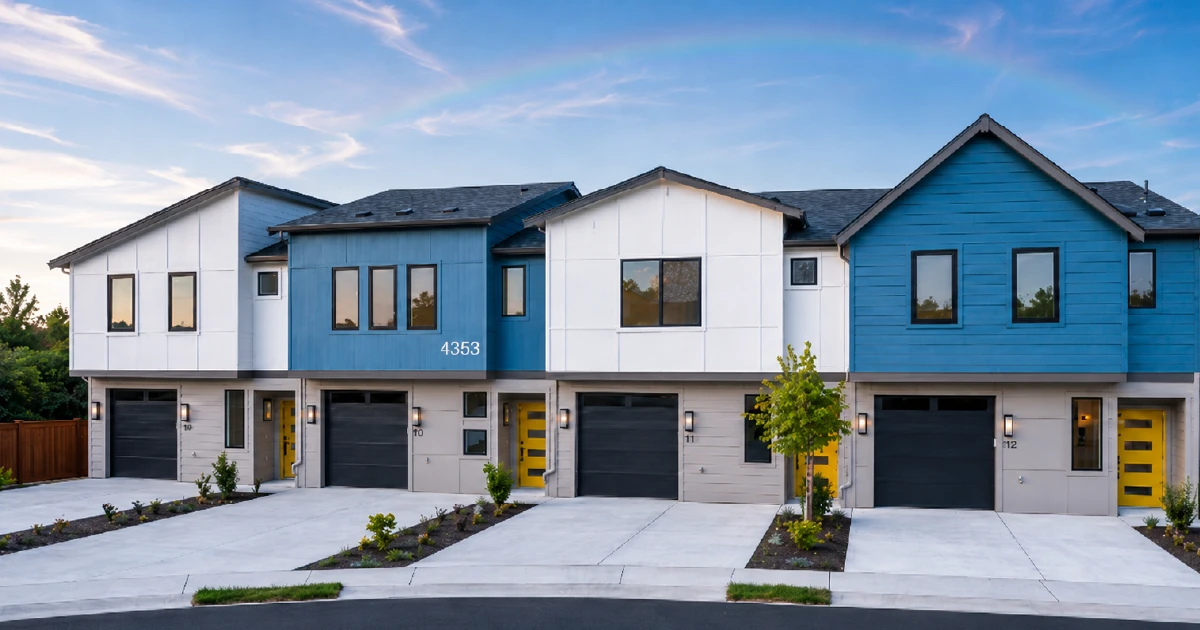
Our rental homes are new construction properties, meaning residents enjoy modern layouts, newer appliances, and spaces designed for today’s lifestyles. Instead of older rental inventory, these homes are built with comfort and functionality in mind from the start.
If you’re looking for a newly built rental home that feels fresh, well-designed, and ready for modern living, we invite you to explore our available homes and see what makes our communities different.
Latest Posts
Move-In Ready Townhomes for Rent in Marysville — Available Now
September 13, 2026
Finding Your Ideal Rental Home: A Closer Look at the Tuscany Woods 1560 Floor Plan
September 10, 2026